The Best Mustards for Every Type of Hot Dog
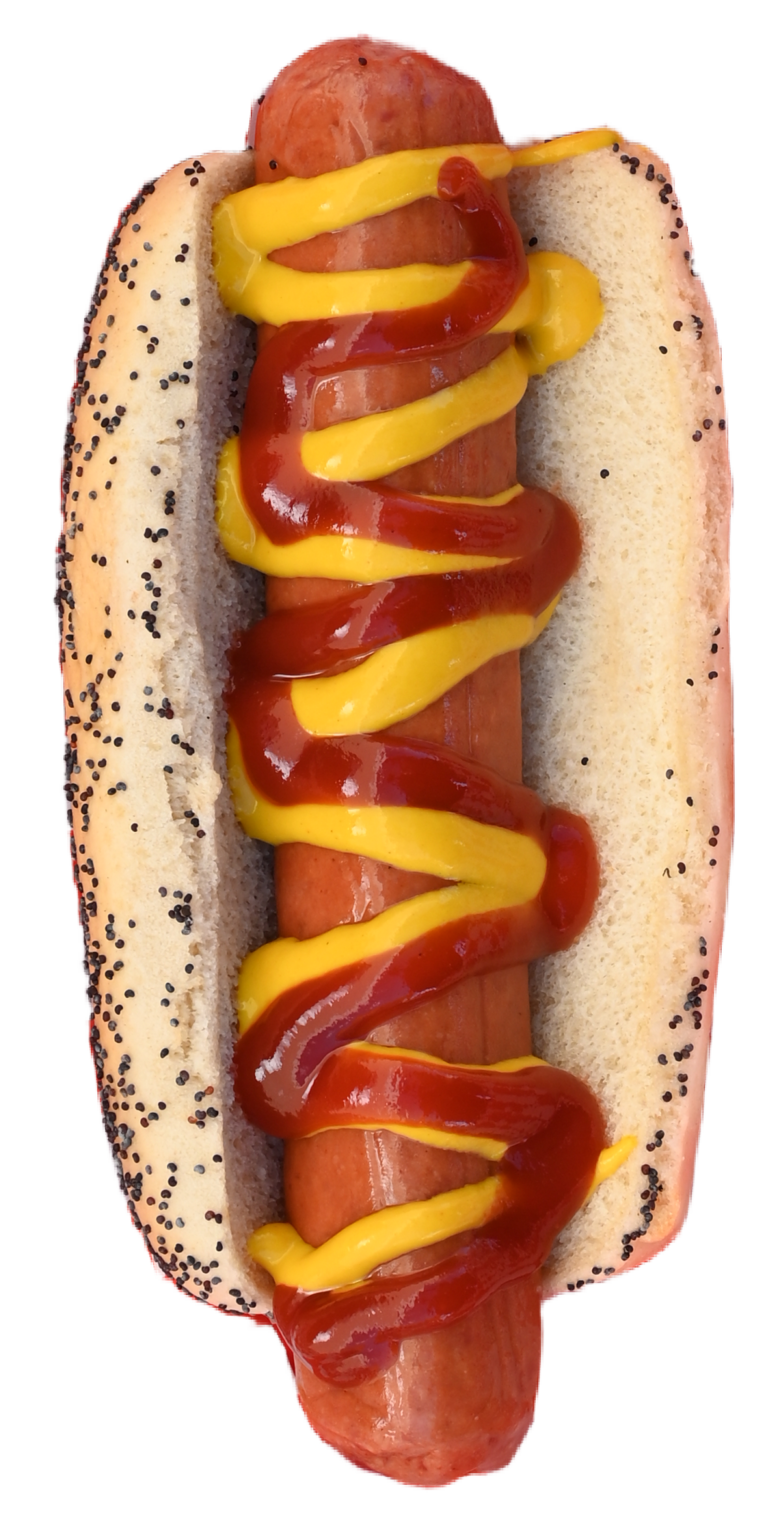


A hot dog looks simple until you start paying attention. Then it becomes one of the clearest lessons in balance a cook can get. Salt, fat, smoke, snap, sweetness from the bun, crunch from the toppings, heat from the grill, maybe char, maybe steam. Mustard is often treated like a default, a yellow squiggle applied out of habit, but it does far more than add tang. The right mustard can brighten a rich beef frank, keep a delicate veal sausage from tasting flat, or cut through a bacon-wrapped dog that would otherwise feel heavy after three bites.
That is why there is no single best mustard for every hot dog. There are several best mustards, each suited to a different style of sausage, bun, and topping. A ballpark frank wants something different from a Chicago-style dog. A bratwurst-style hot dog benefits from a different mustard than a smoky all-beef link cooked hard over charcoal. Once you start matching mustard to the dog instead of treating it as a reflex, the whole meal tastes more intentional.
I have made this mistake often enough to know the pattern. Put sharp Dijon on a mild poultry dog and it can taste thin and overly acidic. Use sweet honey mustard on a heavily dressed chili dog and the whole thing turns muddled. Slather coarse whole grain mustard on a smooth-skinned, soft-textured frank and sometimes the seeds dominate every bite. None of these are disasters. But they are reminders that condiments are not decoration. They are structure.
What mustard actually does on a hot dog
Before getting into styles, it helps to understand the job mustard is doing. Most hot dogs are salty and fatty. That is a big part of their appeal. Mustard brings acidity, bitterness, spice, and sometimes sweetness. Those elements keep richness from becoming monotony.
Yellow mustard, the one many people grew up with, is especially useful because it is mild, bright, and uncomplicated. It cuts fat without stepping on the sausage. Dijon tends to be sharper and more wine-like, with enough backbone to stand up to stronger meats. Whole grain mustards add texture and a slower, more rounded mustard heat. Brown mustard, especially deli-style spicy brown, sits somewhere in the middle, with a little more depth and a little less glare than standard yellow. German-style sweet or Bavarian mustard introduces sugar and spice notes that pair beautifully with pork, especially when onions or sauerkraut enter the picture.
Texture matters more than people expect. A very smooth mustard disappears into the sausage and bun. A grainy mustard stays distinct. That can be excellent if the dog needs contrast. It can also feel clumsy if the rest of the bite is already busy with relish, onions, kraut, peppers, or chili.
The classic yellow mustard still earns its place
There is a reason yellow mustard remains the standard for the everyday hot dog. It is not merely cheap or nostalgic. It works. The vinegar wakes up the sausage. The turmeric-forward flavor gives color and a mild earthy note. The consistency spreads easily and does not soak the bun. When you are serving a straightforward all-beef hot dog, especially one from a grill or griddle, yellow mustard often gives the cleanest result.
It is particularly good with hot dogs that have a pronounced snap and moderate smoke. Think of the standard American frank served in a steamed or lightly toasted bun, maybe with onions or relish and not much else. In that setting, yellow mustard behaves with restraint. It does its job without asking for attention.
There is also a practical point here. At cookouts, yellow mustard is forgiving. If the onions are sweet, if the relish is sugary, if the bun is soft and a little bland, yellow still keeps the bite coherent. It may not be the most thrilling mustard in isolation, but a hot dog is not eaten in isolation. Context counts.
If you are feeding a crowd and only want one mustard on the table, yellow is still the safest universal option. It is especially reliable for children, for casual backyard meals, and for dogs with classic toppings. That does not make it the best in every case. It makes it the most consistently useful.
Spicy brown mustard belongs on stronger, smokier dogs
Once the hot dog gets more robust, yellow can start to feel thin. This is where spicy brown mustard earns its keep. Good spicy brown mustard has a deeper mustard flavor, less sweetness, and a slight coarse quality that feels more substantial. It can handle smoke, garlic, and pepper in a sausage blend far better than basic yellow.
I reach for spicy brown when the hot dog is grilled long enough to pick up real char or when the frank itself is heavily seasoned. It is also a strong match for dogs topped with sauerkraut, grilled onions, or sautéed peppers. Those toppings have weight and personality. Spicy brown keeps up.
This style is also one of the smartest choices for beefier links sold by butchers or local sausage makers, where the hot dog starts drifting toward sausage territory. On those, yellow can feel a little one-note. Spicy brown adds enough depth to make the whole thing taste fuller without turning the condiment into the main event.
The one caution is proportion. Spicy brown can quickly dominate a smaller or less salty dog. Use enough to season, not enough to blanket.
Dijon shines when the dog is refined, not overloaded
Dijon is often misunderstood on hot dogs. People either treat it as a sign of sophistication or dismiss it as too aggressive. The truth sits in between. Dijon works beautifully when the hot dog is relatively clean and the toppings are restrained. It is less successful when the dog already carries a lot of sweet or tangy clutter.
A high-quality Dijon has a smooth texture and a focused, nasal heat rather than the softer, broader flavor of yellow or brown mustard. On a lightly grilled all-beef frank in a toasted brioche-style bun, it can taste excellent, especially with caramelized onions. On a chicken dog with arugula or slaw, it can give the whole thing structure. On a bratwurst-style dog, it can work if the sausage is mild and the toppings are simple.
Where Dijon struggles is the overloaded hot dog. Add sweet relish, chili, melted cheese, or a pile of pickled vegetables and the sharpness tends to splinter the bite rather than unify it. Dijon asks for some restraint around it. It wants room to be tasted.
There is also a regional and emotional truth worth acknowledging. A lot of people simply do not want Dijon on what they think of as a classic hot dog. That is fair. Food is memory as much as flavor. Still, if the dog itself is more polished than nostalgic, Dijon deserves consideration.
Whole grain mustard is best when texture helps, not distracts
Whole grain mustard can be magnificent on the right hot dog. It can also feel like the wrong tool. The visible seeds bring little pops of bitterness and texture that add complexity, but they do so very assertively. This mustard is at its best on hearty sausages, crusty or sturdy buns, and topping combinations that lean savory rather than sweet.
It pairs especially well with pork-forward dogs, bratwurst-style links, smoked sausages sold as hot dogs, and anything topped with kraut, beer-braised onions, or roasted peppers. The seeds contribute a pleasant friction against the smoothness of sausage fat.
On a soft supermarket frank in a fluffy bun, though, whole grain can feel out of scale. The bite becomes all contrast and not much harmony. A mustard should improve the sausage, not make the sausage seem incidental.
That is the recurring principle across this whole conversation. The mustard should match the intensity and texture of the dog. Delicate dog, gentler mustard. Bigger dog, bigger mustard.
Sweet and honey mustards have a place, but it is narrower than most people think
Sweet mustard is not wrong on a hot dog. It is just more situational than many supermarket shelves suggest. When sweetness already exists in the bun, ketchup, relish, or onions, adding a sugary mustard can push the whole bite into dessert-adjacent territory. Yet with the right dog, sweet mustard can be excellent.
This is particularly true for pork sausages, especially when they carry spice or smoke. Bavarian-style sweet mustard with a bratwurst-inspired hot dog can be deeply satisfying. The sweetness rounds the sausage while the mustard keeps the richness from drifting. Honey mustard can also work with chicken or turkey dogs, where a softer, sweeter condiment helps compensate for the leaner meat.
But these mustards demand discipline elsewhere. If you are using a sweet mustard, cut back on sweet relish, avoid ketchup, and think carefully about the bun. A very sweet potato bun with honey mustard can become cloying fast. The best sweet mustard pairings usually include something fermented, bitter, or sharp nearby, such as sauerkraut, raw onion, or a vinegar slaw.
Regional hot dog styles often already tell you which mustard to use
Many established hot dog traditions solved the mustard question long ago. It is worth paying attention to them, because these combinations survived for a reason.
A Chicago-style hot dog relies on yellow mustard because the rest of the build is already busy. You have neon relish, onion, tomato, pickle spear, sport peppers, celery salt, and a poppy seed bun. A stronger mustard would crowd the field. Yellow adds acidity and color while https://franciscoyxem208.brightsora.com/posts/the-best-ways-to-reheat-a-hot-dog-without-drying-it-out staying in its lane.
A New York-style dog with onion sauce often prefers a deli mustard or spicy brown. The onion topping has sweetness and depth, and the mustard needs enough muscle to avoid disappearing.
A Coney dog or chili dog is more complicated. Many people skip mustard or use only a small amount, but a streak of yellow under the chili can be surprisingly effective. It keeps the heavy toppings from tasting flat. Brown mustard can work too, though it is easier to overdo once chili and cheese enter the picture.
German-influenced sausage dogs, especially the kind served with kraut and onions, are natural territory for brown, whole grain, or sweet Bavarian mustard, depending on the sausage’s intensity and the overall sweetness of the toppings.
Regional logic exists because balance matters. A hot dog assembled over decades of repetition tends to settle on the condiment that makes the whole construction function.
Matching mustard to the sausage itself
Many hot dog conversations spend too much time on toppings and not enough on the dog. The meat blend, smoke level, casing, and cooking method matter enormously.
Here is a practical shorthand I use when deciding:
- Mild beef or standard mixed-meat franks, yellow mustard
- Heavily grilled or smoky all-beef dogs, spicy brown mustard
- Pork or bratwurst-style dogs, whole grain or sweet Bavarian mustard
- Chicken or turkey dogs, Dijon or honey mustard, used lightly
- Chili-topped or heavily dressed dogs, yellow mustard underneath or in a thin line
This is not a law. It is a starting point. There are excellent exceptions. A smoky all-beef dog with kraut can be terrific with whole grain mustard. A turkey dog with grilled onions can handle brown mustard if the sausage has enough seasoning. But if you need a framework that works more often than not, this one is dependable.
Cooking method changes the mustard choice
A steamed hot dog and a char-grilled hot dog are not the same food. Steam keeps the sausage plump and relatively gentle. Grilling concentrates flavor, adds bitterness, and can harden the casing. Pan-griddling lands in the middle, with a savory crust but less smoke.
That matters because mustard either meets the intensity of the cooking or feels out of place. A steamed dog, especially in a soft steamed bun, usually wants a smoother and milder mustard. Yellow is the obvious match, with Dijon as a possible alternative if the toppings are sparse. A charcoal-grilled dog with blackened edges can take something darker and more assertive, such as spicy brown.
Even the bun plays a part. Potato buns lean sweet. Brioche is richer and sweeter still. Traditional white hot dog buns are usually neutral. A sweeter bun narrows your mustard options, because too much sweetness in both bun and condiment can flatten the sausage. If I am serving a sweet bun, I usually avoid honey mustard unless the dog itself is lean and mild.
Toppings can rescue or ruin a mustard pairing
Mustard never acts alone. It shares the bite with onions, relish, kraut, peppers, chili, cheese, slaw, jalapeños, pickles, bacon, and more. That means the best mustard is sometimes not the one that pairs best with the sausage by itself, but the one that best supports the whole stack.
Raw onions amplify sharp mustard notes. Caramelized onions soften them. Sauerkraut loves strong mustard because both bring acid and funk, but together they need a sausage with enough richness to anchor them. Chili and cheese tend to mute mustard, which is why yellow often performs better there than Dijon or whole grain. The simpler flavor cuts through heavy toppings cleanly.
Relish deserves special mention because it changes the equation so dramatically. Sweet relish already contributes sugar and vinegar. Add honey mustard and the hot dog can turn oddly candy-like. Add brown mustard and the contrast can be more compelling, especially on a grilled beef frank.
A common mistake at cookouts is putting out six toppings without considering how they interact. Guests end up building hot dogs that fight themselves. A better approach is to think in lanes: classic ballpark, deli-style, kraut-and-onion, chili-and-cheese, maybe one fresh slaw variation. Once the lane is clear, the mustard usually becomes obvious.
When fancy mustard is worth the money
Not every hot dog deserves artisanal mustard, and not every artisanal mustard improves a hot dog. Some are designed for cheese boards or roast meats, with flavors that feel too delicate, too sweet, or too perfumed for a sausage in a bun.
Still, quality matters. Better mustards often have cleaner acidity, more vivid mustard seed character, and fewer blunt sweeteners. If you are serving premium franks from a butcher, using a good mustard is worth it. The difference is not imaginary. A mustard with balanced vinegar and real spice lifts the sausage instead of just coating it.
That said, luxury is not always the point. Part of the pleasure of a hot dog is directness. A paper tray, a cold drink, mustard on your knuckles. If the setting is simple, the condiment can be simple too. Precision is not the same thing as fussiness.
A few pairings that rarely miss
Certain combinations come up again and again because they just work. A snappy all-beef frank with yellow mustard and diced white onion remains one of the best arguments for restraint in American food. A grilled beef dog with spicy brown and sauerkraut is richer, deeper, and ideal in cooler weather. A bratwurst-style hot dog with whole grain mustard and beer-cooked onions feels substantial enough to count as dinner. A turkey dog with Dijon and slaw can be fresh and surprisingly balanced, provided the sausage is not too bland.
What these combinations share is clarity. Each one knows what it is trying to be. The mustard choice reinforces that identity instead of complicating it.
How much mustard is too much
People talk a lot about which mustard to choose and not enough about quantity. Too much mustard can make even the right pairing taste wrong. It can soak the bun, overwhelm the sausage, and turn every other topping into background noise.
A hot dog usually needs less mustard than a sandwich because the ratio of meat to bread is different. The sausage is already concentrated. A thin stripe along the length of the bun is often plenty. With stronger mustards, I use even less, especially if kraut or onions are involved.
This matters in service as well. If you are setting up a hot dog bar for guests, wide-mouth jars and spoons tend to encourage excess. Squeeze bottles or small spreading knives give people more control. It sounds minor, but a better condiment setup leads to better hot dogs.
If you only keep three mustards at home
For most households, three mustard styles cover nearly everything without redundancy.
- Yellow mustard for classic franks, chili dogs, and crowd-pleasing simplicity
- Spicy brown mustard for grilled beef dogs, kraut, onions, and stronger toppings
- Whole grain or Dijon, depending on whether you prefer texture or sharpness
If your hot dog habits lean heavily toward pork sausages, swap Dijon for a sweet Bavarian mustard. If you often buy poultry dogs, keep Dijon and use it carefully. The key is not owning ten mustards. It is knowing what each one does.
The best mustard is the one that makes the hot dog taste more like itself
The most useful way to think about mustard is not as a signature flourish, but as a tuning tool. A hot dog already tells you what it needs if you pay attention. Is it smoky? Mild? Fatty? Sweet from the bun? Buried under toppings? Served simply with onions? The mustard should answer that condition.
For a classic hot dog, yellow remains hard to beat. For a grilled or deli-style dog, spicy brown often delivers more satisfaction. For pork-forward or bratwurst-style dogs, whole grain and sweet mustard open up richer possibilities. For leaner poultry dogs, Dijon or honey mustard can help, as long as they are used with a light hand.
The biggest improvement most people can make is not buying an exotic condiment. It is choosing mustard deliberately. A hot dog may be casual food, but it rewards attention. Get the mustard right, and even an ordinary frank tastes sharper, fuller, and more complete. That is not a small detail. On a hot dog, it is often the difference between something merely familiar and something genuinely good.
Under Construction Hot Dogs
1225 W U.S. Hwy 50, Pueblo, CO 81008
FAQ About hot dog
What are different types of hotdogs?
Under Construction Hot Dogs offers a classic all-beef hot dog, a quarter-pound Jumbo Dog, a Chili Dog, and a Chicago Dog, along with brats and a Spicy Link.
What does a chili dog have on it?
Our Chili Dog pairs a Vienna all-beef hot dog with chili, shredded cheddar cheese, and finely diced onions.
What is in a traditional Chicago dog?
Our Chicago Dog comes on a steamed poppy seed bun with yellow mustard, bright green relish, onions, tomato wedges, a pickle spear, sport peppers, and celery salt.
Ends · JULIUSSBPG533