The Best Sauces to Drizzle on a Hot Dog
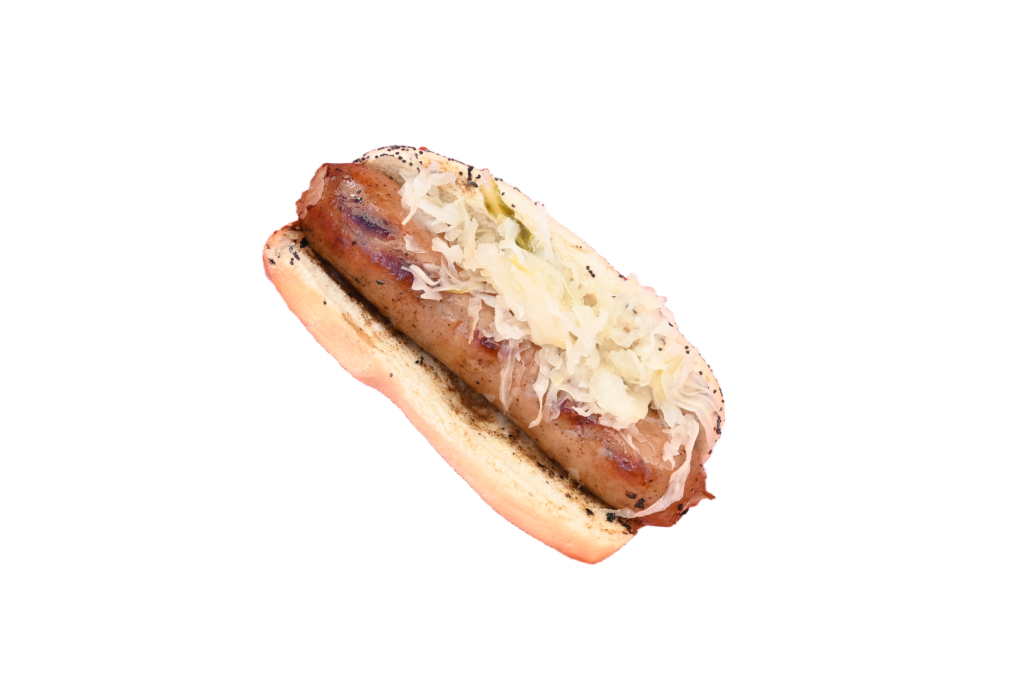
A hot dog does not need much to be satisfying. A good bun, a properly heated sausage, and the right sauce can carry the whole thing. That last part matters more than people admit. The wrong drizzle can flatten the flavor, soak the bun, or bury the snap of the dog itself. The right one can make a basic backyard lunch taste deliberate, even memorable.
After years of eating hot dogs at ballparks, cookouts, late-night carts, and restaurant counters that took their sausage program far more seriously than expected, I have come to a simple view. Sauce is not just decoration. It is structure. It decides whether a hot dog tastes sharp or rich, sweet or smoky, clean or heavy. It also determines how the other toppings behave. Relish needs acidity around it. Onions need moisture or fat. Chili needs a sauce that can stand up to it. Even plain yellow mustard changes depending on whether the dog underneath is beefy, garlicky, or lightly smoked.
The best sauces to drizzle on a hot dog are the ones that understand balance. They bring tang, sweetness, spice, or creaminess without turning the whole thing into a mess. Some are classics for a reason. Others work beautifully if you know when to use them. What follows is not a list of novelty condiments for shock value. These are sauces worth keeping within reach if you care about how a hot dog actually eats.
What makes a sauce work on a hot dog
Before naming favorites, it helps to define the job. A hot dog is salty, savory, and usually rich enough on its own. The bun is soft and mildly sweet. That means the sauce should do at least one of three things: cut through fat, add depth, or tie the toppings together.
Texture matters almost as much as flavor. A sauce that is too thin runs straight to the bottom of the bun and leaves the top dry. A sauce that is too thick sits on the dog in cold clumps. The sweet spot is usually spoonable to squeezeable, loose enough to spread with heat, thick enough to stay where you put it. If you are drizzling rather than smearing, that consistency becomes even more important.
Temperature also changes the experience. Cold mayo-based sauces can be great on a grilled hot dog in summer, but they can dull flavor if applied too heavily. Warm sauces like cheese, onion gravy, or barbecue sauce feel fuller and more integrated, especially when the bun is toasted. Small details like that separate a sauce that sounds good from one you actually want to eat twice.
Mustard still sets the standard
There is a reason mustard remains the benchmark. It is acidic, assertive, and just sharp enough to wake up the sausage without overwhelming it. On a plain beef hot dog, yellow mustard delivers the cleanest contrast. It is bright, vinegary, and familiar, which matters when the dog itself is heavily seasoned. A natural-casing frank with a strong garlic note often tastes better with plain yellow mustard than with anything more elaborate.
That said, mustard is not one thing. Dijon gives a hot dog a firmer, wine-like tang and a smoother finish. Spicy brown mustard brings texture from the crushed seeds and works especially well on grilled dogs with charred onions. Whole grain mustard can be excellent if the bun is sturdy enough, though it sometimes competes with finer toppings. Honey mustard is trickier. Used lightly, it can flatter a smoky sausage. Used generously, it pushes the whole thing toward sweetness and can make the hot dog taste less savory than it should.
My own rule is simple. If the hot dog is straightforward and snappy, use https://andreapeu446.fairmontdigest.com/posts/fresh-and-crunchy-toppings-that-elevate-any-hot-dog a mustard that keeps the line crisp. If the toppings lean sweet or rich, spicy brown usually does the most work.
Ketchup can be better than its reputation
Ketchup has spent years being mocked in serious hot dog conversations, and some of that criticism is fair. It is sweet, it can dominate, and on top of a fully loaded dog it often adds nothing but sugar. Still, ketchup deserves a more measured defense. On a grilled hot dog with very little else going on, it adds moisture and tomato sweetness that many people genuinely enjoy. Children are not wrong for liking it, and adults are not either.
The secret is restraint. Ketchup works best when it has room to play against salt and smoke. Put it on a split-top bun with a well-charred frank and maybe a little raw onion, and suddenly it tastes balanced. Pair it with sweet relish, sugary barbecue sauce, and a buttery bun, and the whole thing starts reading like candy.
If you like ketchup but want more dimension, look for a less sugary version or one with extra vinegar. A tomato-based sauce with real acidity lands cleaner on a hot dog than the thick, very sweet bottled kind many people grew up with.
Mayo-based sauces bring luxury, if you keep them in check
Mayonnaise alone is rarely my first choice on a hot dog, but mayo-based sauces can be outstanding. They add creaminess and help smooth out aggressive flavors like jalapeños, charred peppers, or smoky sausage. This is where aioli, garlic mayo, chipotle mayo, and remoulade-style sauces earn their place.
Chipotle mayo is especially effective on a grilled hot dog because it combines fat, smoke, and mild heat in one move. It suits beef dogs and pork dogs equally well, particularly when there is corn, crispy onions, or pickled vegetables involved. Garlic mayo works best when the rest of the toppings are restrained. Too much raw onion plus garlic mayo plus a heavily seasoned dog can become exhausting after a few bites.
Remoulade is an underrated option. A good remoulade, with mustard, herbs, and acidity built into the base, brings more life than plain mayo and can turn a hot dog into something that feels almost deli-inspired. The trade-off is weight. Rich sauces need either acid or crunch nearby, or the dog can feel sleepy and overfilled.
Barbecue sauce belongs, but only the right kind
Barbecue sauce and hot dogs seem like obvious partners, yet the pairing often disappoints. Most bottled barbecue sauces are too sweet and too sticky for a hot dog. They coat everything in a molasses blanket and erase the sausage. But when the sauce leans tangy, smoky, or peppery rather than sugary, it can be excellent.
A Carolina-style barbecue sauce with vinegar and mustard has far more energy on a hot dog than a heavy Kansas City-style sauce. So does a thinner, smoky sauce with tomato and black pepper but less brown sugar. Brush a little onto a grilled dog near the end of cooking and then add a final drizzle after it is in the bun. That gives you caramelization without drowning the bun.
Barbecue sauce shines most when paired with toppings that echo cookout flavors. Slaw, pickled onions, grilled jalapeños, or crispy shallots all help. What it does not need is extra sweetness. Skip the sweet relish and soft onions if barbecue sauce is already carrying that side of the profile.
Chili sauce and meat sauce create a different category of hot dog
Some sauces do more than dress a hot dog. They define a regional style. Chili sauce, coney sauce, and finely textured meat sauces transform the dog into a heavier, more complete meal. These are not drizzles in the delicate sense, but they belong in the conversation because they are among the most satisfying sauce choices you can make.
The best hot dog chili is not a bowl of regular chili spooned on top. It is thinner, finer, and more seasoned for coverage rather than spoonful-by-spoonful eating. It should sink into the dog and bun a little without making either collapse. A proper meat sauce delivers spice, umami, and warmth while still leaving room for mustard and chopped onions.
What makes this work is proportion. Too much chili and you are eating a soft stew in bread. Too little and it feels stingy. A hot dog with chili sauce should still read as a hot dog first. That sounds obvious, but many versions forget it.
Cheese sauce can be brilliant or clumsy
Cheese sauce is one of those toppings people underestimate because they have mostly encountered bad versions under stadium heat lamps. A good cheese sauce, especially one with sharp cheddar character and enough fluidity to drizzle, can turn a hot dog into prime comfort food. It pairs naturally with jalapeños, bacon, charred onions, and even crumbled chips if you want texture.
The problem is salt and density. A hot dog is already salty. Processed cheese sauces can push the whole thing over the edge fast. The better approach is a cheese sauce with actual sharpness and some thinning liquid, often milk or beer, so it tastes like cheese rather than molten paste. Even then, use a lighter hand than you think.
Cheese sauce also benefits from acidity somewhere else on the dog. Pickled jalapeños, sport peppers, or a few diced pickles can keep it from feeling one-note. Without that contrast, the last third of the hot dog can become a slog.
Hot sauce adds definition without bulk
Hot sauce is often treated as a secondary condiment, but on many hot dogs it is the smartest move. It changes flavor without adding much weight. That matters when the bun is soft and the sausage is already rich. A few stripes of a vinegar-forward hot sauce can do more for a hot dog than a thick layer of almost anything else.
Classic Louisiana-style hot sauce is a natural fit because it is acidic, peppery, and thin enough to distribute easily. It works especially well on beef hot dogs with slaw or onions. Jalapeño hot sauce tends to be greener and brighter, good for dogs with avocado, crema, or grilled peppers. Smoky hot sauces can be excellent, though they can double up on smoke if the sausage is already heavily smoked.
The biggest mistake with hot sauce is confusing heat with flavor. A brutally hot sauce does not usually improve a hot dog. It shortens the experience. What you want is lift, not punishment.
Salsa, crema, and taco-adjacent sauces work better than they should
A hot dog can carry flavors from other traditions if the sauce is chosen intelligently. Salsa verde, crema, and even a mild chipotle crema can be excellent drizzles, especially on grilled dogs served with diced onion, cilantro, or roasted peppers. This is not gimmicky if the components make sense together.
Salsa verde brings acid and herbaceousness that cut beautifully through a rich sausage. Crema softens spice without the weight of straight sour cream. Together, they create contrast that keeps the hot dog lively from first bite to last. A roasted tomato salsa can also work, though it should be thick enough not to flood the bun.
I have had versions like this at summer cookouts where the host put out hot dogs alongside taco toppings simply because that was what was in the refrigerator. The combinations often outperformed more traditional setups because the sauces had brightness. A hot dog likes brightness.
Sauces that earn a permanent spot in the rotation
If I had to narrow the field to the sauces most worth drizzling on a hot dog, these are the ones I would keep close at hand:
- Yellow or spicy brown mustard, for sharpness and balance.
- A tangy barbecue sauce, for smoky grilled dogs.
- Chipotle mayo or remoulade, for richness with personality.
- Hot sauce, for acid and heat without heaviness.
- Chili or coney-style meat sauce, for a full meal version.
That mix covers almost every kind of hot dog service, from quick weekday dinners to a cookout spread with multiple topping stations.
Matching the sauce to the style of hot dog
Not every sausage wants the same treatment. A beef frank with a pronounced snap handles aggressive sauces better than a softer, milder hot dog. Pork dogs often welcome mustard and creamy sauces but can disappear under thick cheese or sweet barbecue sauce. Chicken or turkey dogs, which tend to be leaner and lighter, usually benefit from bolder condiments because they need help in the flavor department.
Grilling changes the equation too. Char adds bitterness and smoke, which means sweeter or creamier sauces have more room to work. Boiled or steamed hot dogs are softer in profile and often taste best with sharper sauces like mustard, relish, onion sauce, or hot sauce. Pan-seared dogs fall somewhere in the middle, especially if they get browned edges but retain a juicy interior.
Then there is the bun. A sturdy toasted bun can absorb more moisture and support heavier toppings. A fresh, very soft bun does better with tighter drizzles and fewer wet ingredients. People blame sauces for soggy hot dogs when the real problem is often too much liquid meeting too fragile a bun.
Common mistakes that ruin the sauce
Most disappointing hot dogs fail for practical reasons, not because the idea was bad. These mistakes show up again and again:
- Using too many sweet elements at once.
- Applying cold, thick sauce in heavy lines.
- Ignoring acidity when the toppings are rich.
- Drowning the bun instead of seasoning the dog.
- Pairing delicate sausages with overpowering condiments.
The fix is almost always the same. Pull one thing back. If the hot dog has cheese sauce, maybe it does not also need barbecue sauce. If it has chili, maybe ketchup can stay off. If the sauce is creamy, add something pickled or sharp nearby.
Building a better drizzle at home
If you care about presentation and texture, drizzling is worth doing well. Use squeeze bottles when possible, especially for thinner sauces like mustard blends, hot sauce, crema, and barbecue sauce. A spoon works better for chili, cheese sauce, and thicker mayo-based blends, but even then you want controlled coverage rather than random pooling.
Aim for lines that cross the dog instead of running only along its length. That gives you more even flavor in each bite. It also looks cleaner. For a standard bun and average-sized hot dog, less sauce than most people think is enough. One to two tablespoons total, sometimes less, usually does the job if the sauce is potent.
Homemade sauces do not need to be complicated. Stir Dijon into mayo with a little lemon and garlic, and you have a solid drizzle for grilled dogs. Thin barbecue sauce with cider vinegar and black pepper, and it instantly behaves better on the bun. Add a spoonful of pickle brine to a creamy sauce, and suddenly it tastes designed for a hot dog rather than borrowed from a sandwich.
The sauces that rarely deliver
A few condiments sound promising but disappoint more often than not. Ranch is one. It can work in a very specific bacon-jalapeño setup, but on most hot dogs it tastes too broad and dull. Teriyaki-style sauces can be appealing in theory, yet they often bring a sticky sweetness without enough acid to keep the dog from dragging. Plain sour cream is another weak choice unless it is part of a larger composition with salsa or chiles.
Pesto is occasionally suggested for gourmet hot dogs, but in practice it usually fights the sausage and turns oily when warmed. Sweet chili sauce has the same problem. It can make a hot dog taste like an appetizer platter rather than a coherent dish. These are not impossible pairings, just lower-percentage ones.
A great hot dog sauce should make you want the next bite
That is the standard I come back to. The best sauce on a hot dog is not the boldest or the most original. It is the one that sharpens the appetite instead of tiring it out. Mustard does that almost automatically. Hot sauce often does too. A smart barbecue sauce, a balanced chipotle mayo, or a finely made chili sauce can do it just as well when matched to the right dog and bun.
The beauty of the hot dog is that it invites personality without needing excess. You can go classic and still get something deeply satisfying. You can also push into smoky, spicy, creamy, or regional territory as long as the sauce respects the sausage. When it does, the whole thing clicks. The bun stays intact, the toppings make sense, and each bite tastes a little more complete than the last.
That is really what the best sauces are doing. They are not hiding the hot dog. They are finishing it.
Under Construction Hot Dogs
1225 W U.S. Hwy 50, Pueblo, CO 81008
FAQ About hot dog
What are different types of hotdogs?
Under Construction Hot Dogs offers a classic all-beef hot dog, a quarter-pound Jumbo Dog, a Chili Dog, and a Chicago Dog, along with brats and a Spicy Link.
What does a chili dog have on it?
Our Chili Dog pairs a Vienna all-beef hot dog with chili, shredded cheddar cheese, and finely diced onions.
What is in a traditional Chicago dog?
Our Chicago Dog comes on a steamed poppy seed bun with yellow mustard, bright green relish, onions, tomato wedges, a pickle spear, sport peppers, and celery salt.
Ends · JULIUSSBPG533